


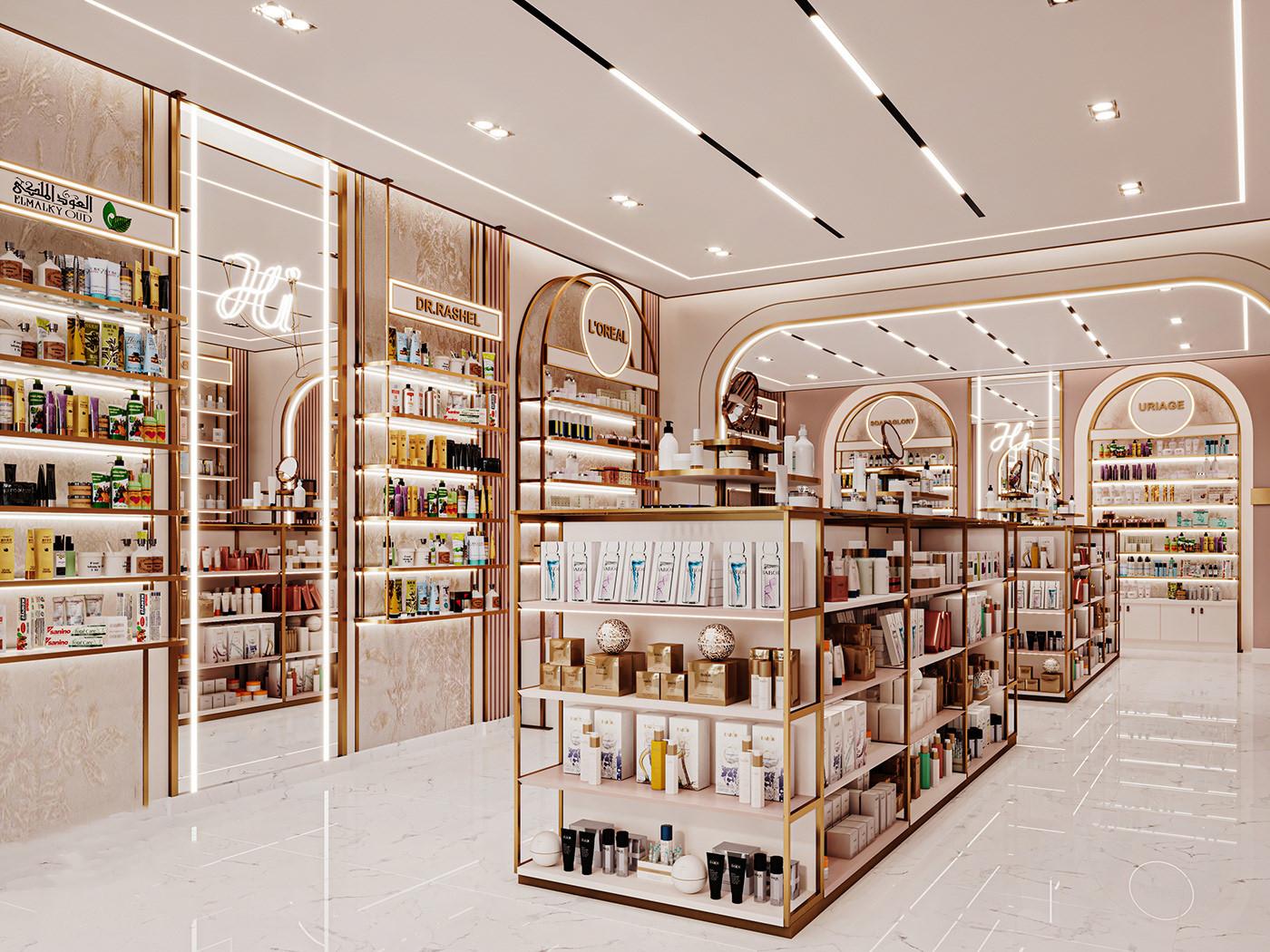
One of the first questions in POS projects is:
👉 how much will it cost?
And very often the answer is:
👉 it depends
But not because it’s unclear.
It’s because POS cost is the result of multiple decisions made at different stages of the project.
Why there is no single price for a POS display
A POS display is not a catalog product.
It is always a solution tailored to:
• the brand
• the product
• the retail space
• the project scale
That’s why prices can vary significantly — even for seemingly similar projects.
What affects the cost of POS production
1. Construction and complexity
The more complex the structure:
• more elements
• more work
• more time
👉 higher cost
Simple designs often achieve the same visual effect at a lower cost.
2. Materials
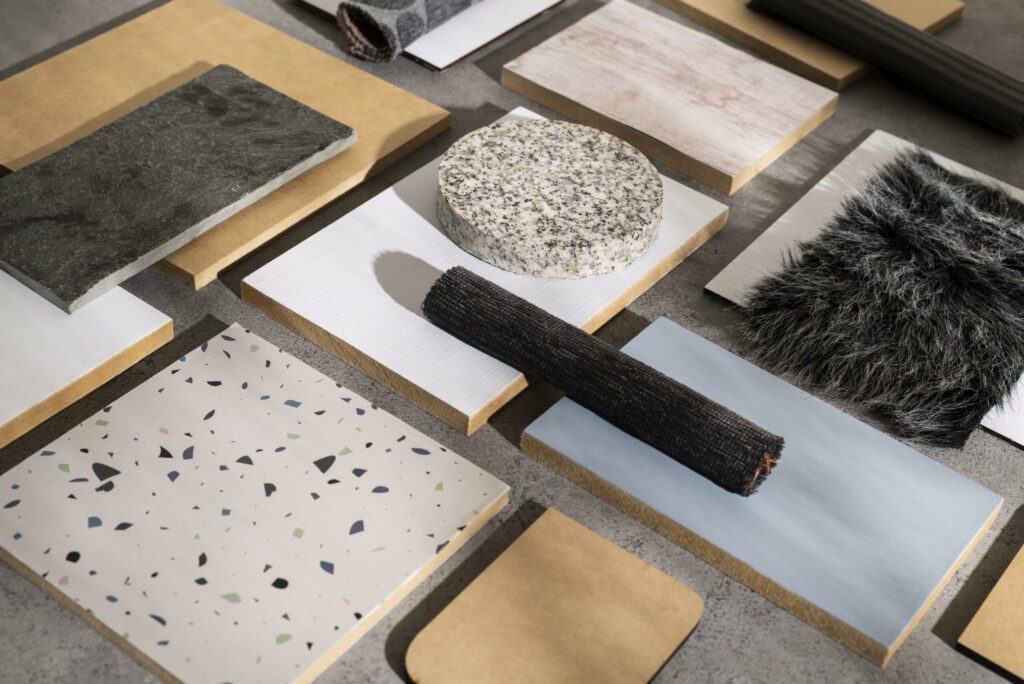
This is one of the biggest cost drivers.
Differences come from:
• material type (MDF, metal, plastics, acrylic)
• finishing quality
• details
👉 the same project can have different costs depending on materials
3. Quantity (prototype vs rollout)
Unit cost decreases with scale.
• 1 unit → highest cost
• 100+ units → optimized production
That’s why:
👉 rollout projects are more cost-efficient than one-off executions
4. Production and technology
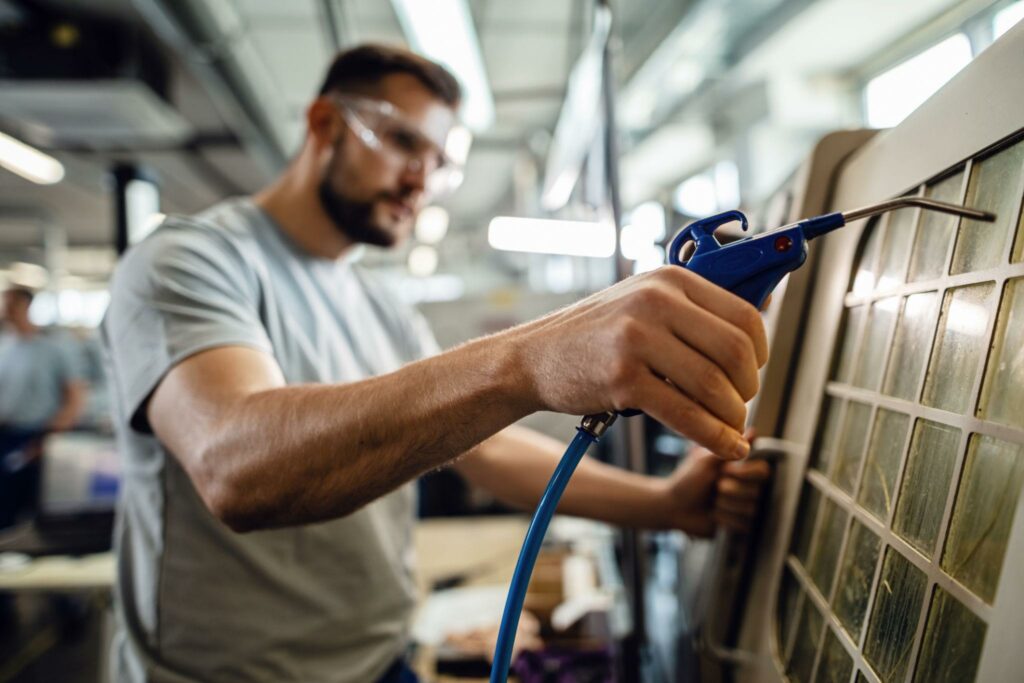
Cost depends on:
• production technology
• level of automation
• manufacturer experience
A manufacturer with in-house production:
👉 can optimize costs in real time
5. Transport and logistics
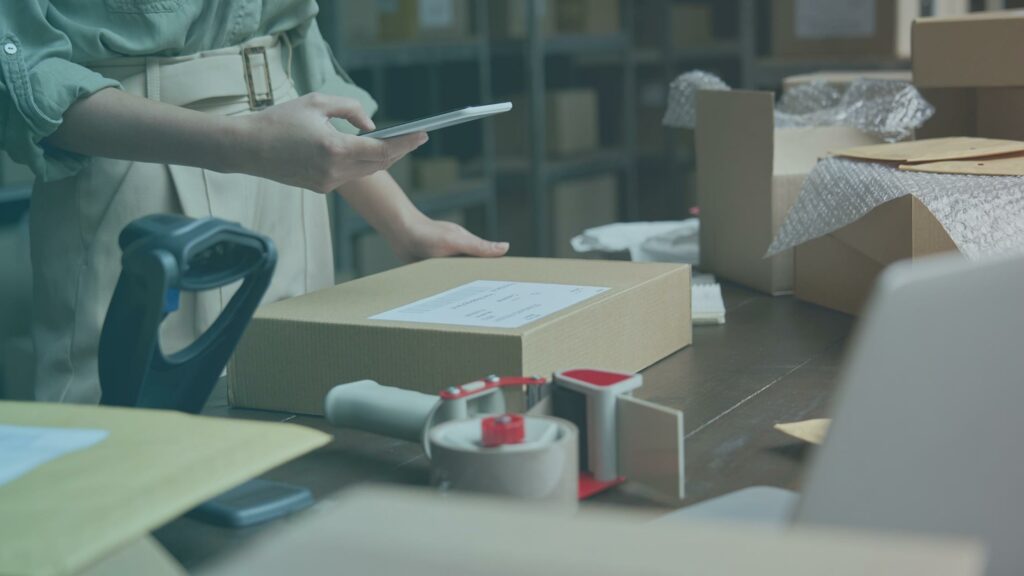
Often underestimated.
Costs increase due to:
• lack of flat-pack design
• large dimensions
• complex packaging
6. Installation and rollout
Cost does not end with production.
Additional factors include:
• in-store installation
• service
• rollout logistics
👉 the larger the scale, the more important this stage becomes
Real POS price ranges
👉 Simple displays: from a few hundred PLN per unit (large volumes)
👉 Standard displays: from a few to several thousand PLN
👉 Advanced projects / retail islands: tens of thousands PLN and more
Each project requires an individual quote.
Why POS projects become more expensive than expected
Most common reasons:
• lack of optimization at design stage
• changes after approval
• underestimated logistics
• overly complex construction
• poor material selection
👉 most of these costs can be avoided
Experience from a real project
We worked on a project that initially had a defined budget.
After analysis:
• the structure was too complex
• materials were oversized
• transport was inefficient
After optimization:
• we reduced production costs
• simplified assembly
• reduced logistics costs
Without changing the visual outcome.
How to control POS production cost
• consider production already at the design stage
• limit changes
• simplify construction
• plan logistics
• collaborate with the manufacturer early
Summary
The cost of a POS display does not come from a single factor.
It is the result of decisions:
• design
• materials
• production
• logistics
👉 and that’s why it can vary so much
If you’re working on a POS project and want to verify the real production cost, it’s worth doing it before the execution phase begins.
At UC POS, producing POS displays and retail installations, we support brands and agencies in optimizing projects — ensuring they stay within budget and perform in real retail.