


One of the most common situations in retail projects looks like this:
the concept is approved, the visuals look great, everyone is aligned…
and then production starts.
And suddenly:
👉 too expensive
👉 too complex
👉 too slow
This is not an exception.
This is the standard.
The design looks great. Production tells a different story.
At the concept stage, everything works:
- strong visual impact
- consistent branding
- internal approval is easy
The problem starts when the project needs to become real.
👉 produced, packed, shipped, and installed in-store
Where problems really begin
1. No production thinking at the design stage
Most projects are created without considering:
- production technology
- material limitations
- assembly logic
The result?
A design that looks good on screen but becomes complicated in real production.
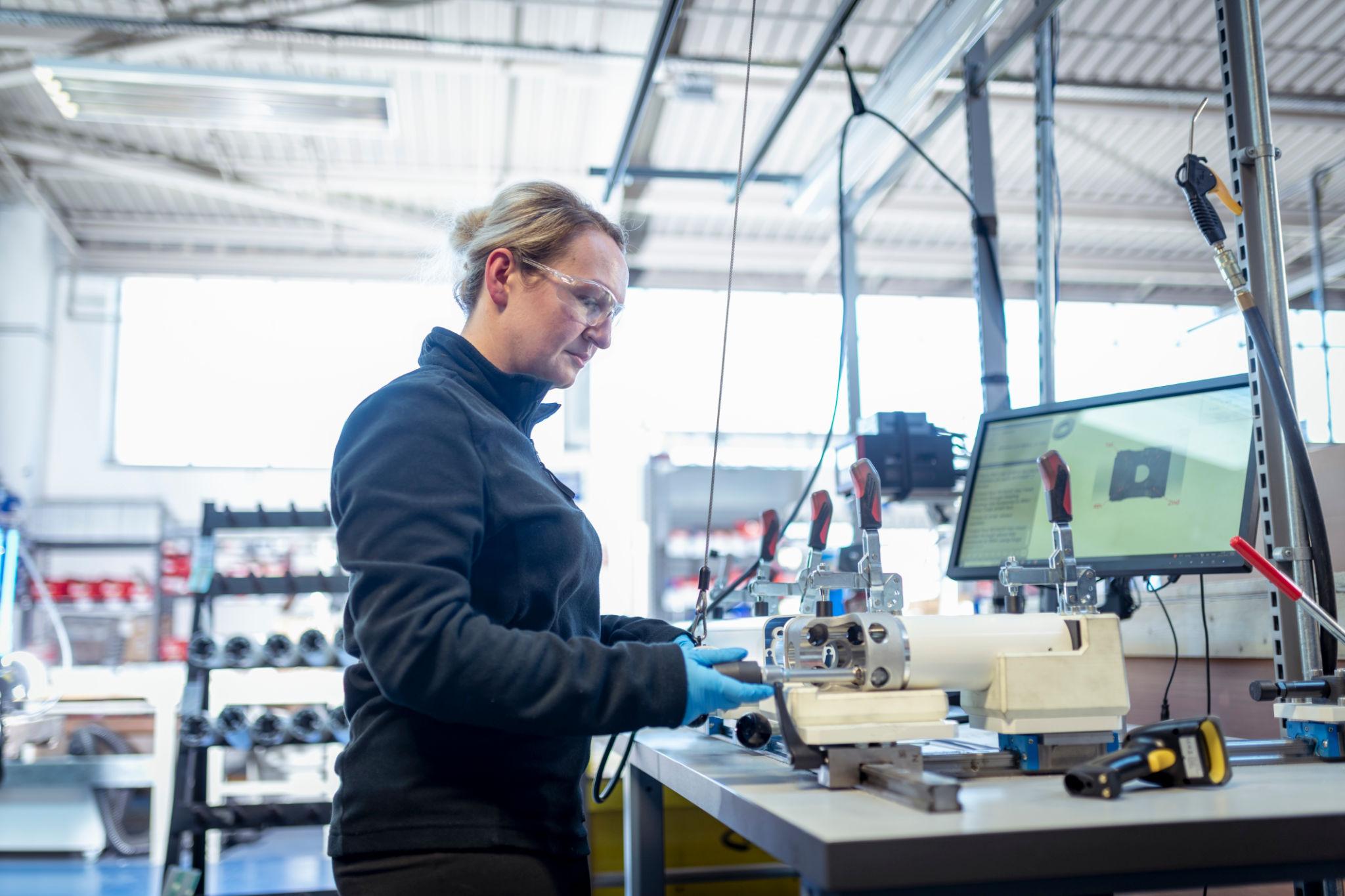
2. The POS manufacturer joins too late
The manufacturer is usually involved when:
- the design is already approved
- the budget is fixed
- the timeline is tight
At this stage, there is no space for optimization.
Only for adjustment.
👉 instead of improving the project
👉 the focus is on “making it work”
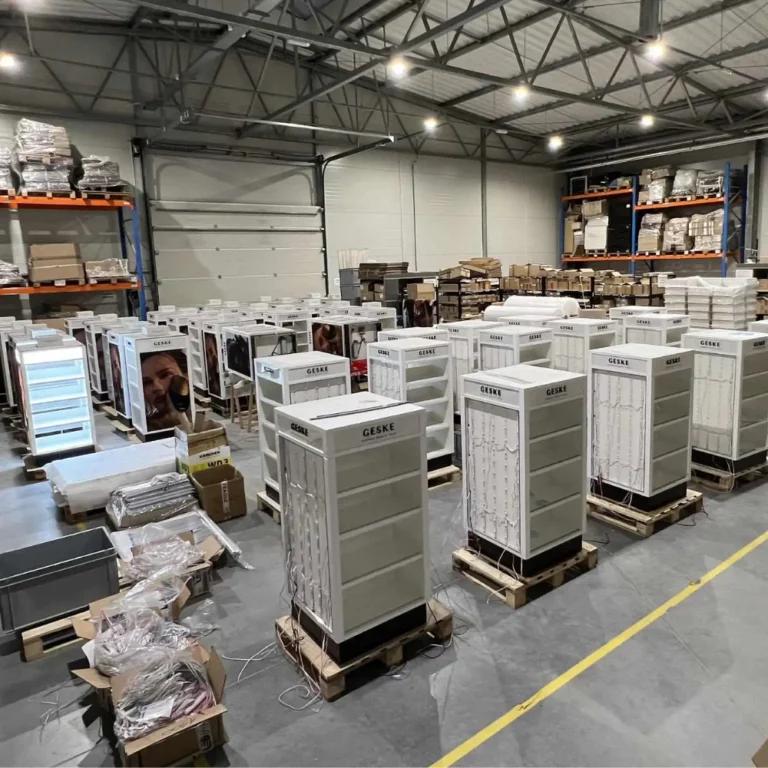
3. Logistics and transport are not considered
One of the biggest hidden costs appears here.
Projects often ignore:
- packaging strategy
- transport volume
- delivery conditions
The result:
- more pallets
- higher costs
- higher risk of damage
4. Overcomplicated construction
Every extra component means:
- more work
- more time
- more risk
And in many cases, the same visual effect can be achieved with a simpler structure.
Experience from production
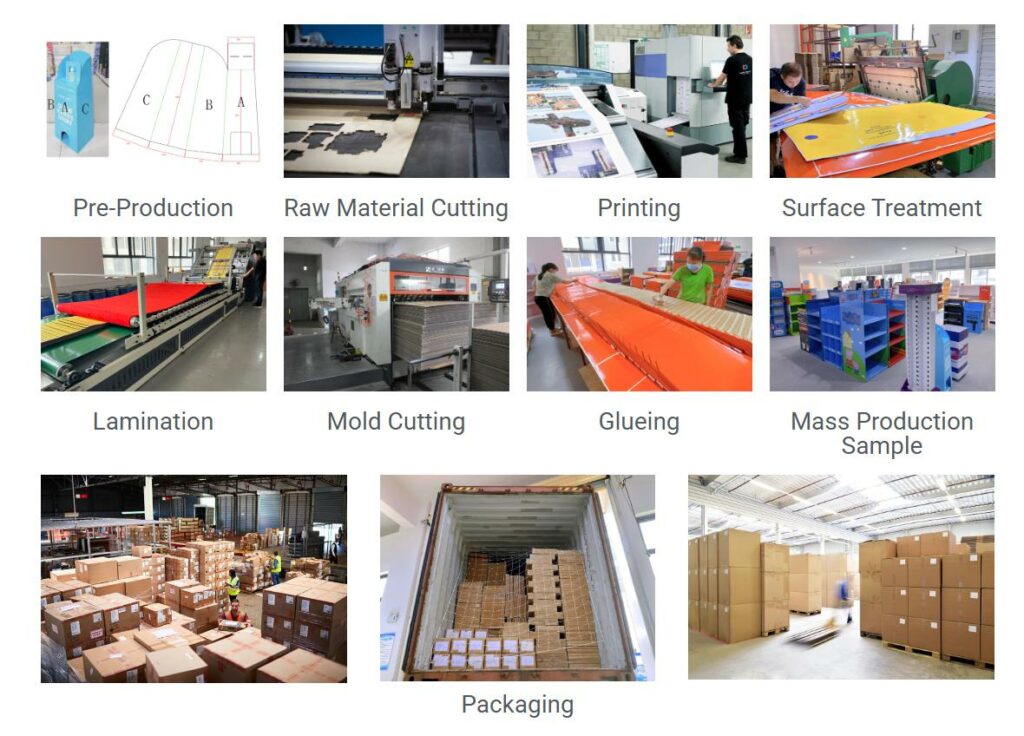
We had a project that was visually well refined.
At the production stage, it turned out that:
- the structure was oversized
- the number of components was unnecessarily high
- transportation required several dozen percent more space
After optimization:
- we simplified the structure
- we reduced the cost
- we shortened the assembly time
All without changing the final result.
What an “Early Involvement” Approach Changes
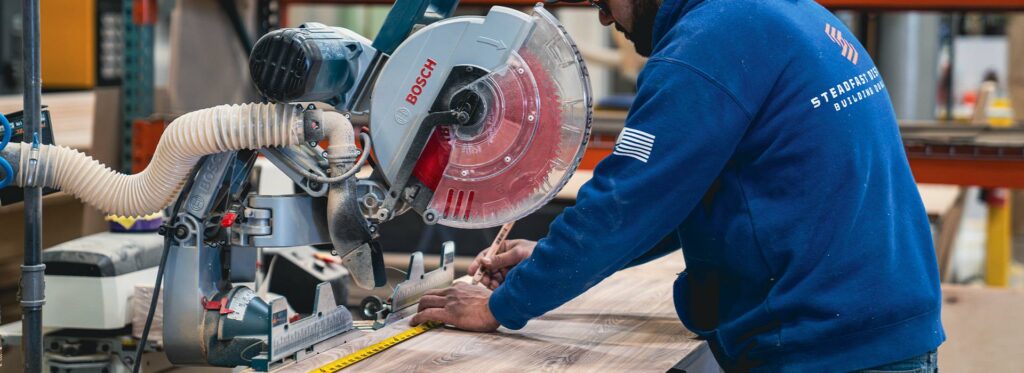
The biggest difference appears when a POS manufacturer is involved from the very beginning of the project. At UC POS, when producing POS displays, we combine:
- concept
- design
- production
- implementation
As a result:
- the design is created with production in mind
- costs are controlled from the start
- last-minute changes are avoided
Why This Matters for Brands and Agencies
In practice, a lack of optimization means:
- higher costs
- more stress
- implementation issues
And all of this can be avoided with one decision:
👉 involving a POS manufacturer at the concept stage
The End Result – What the Customer Actually Sees
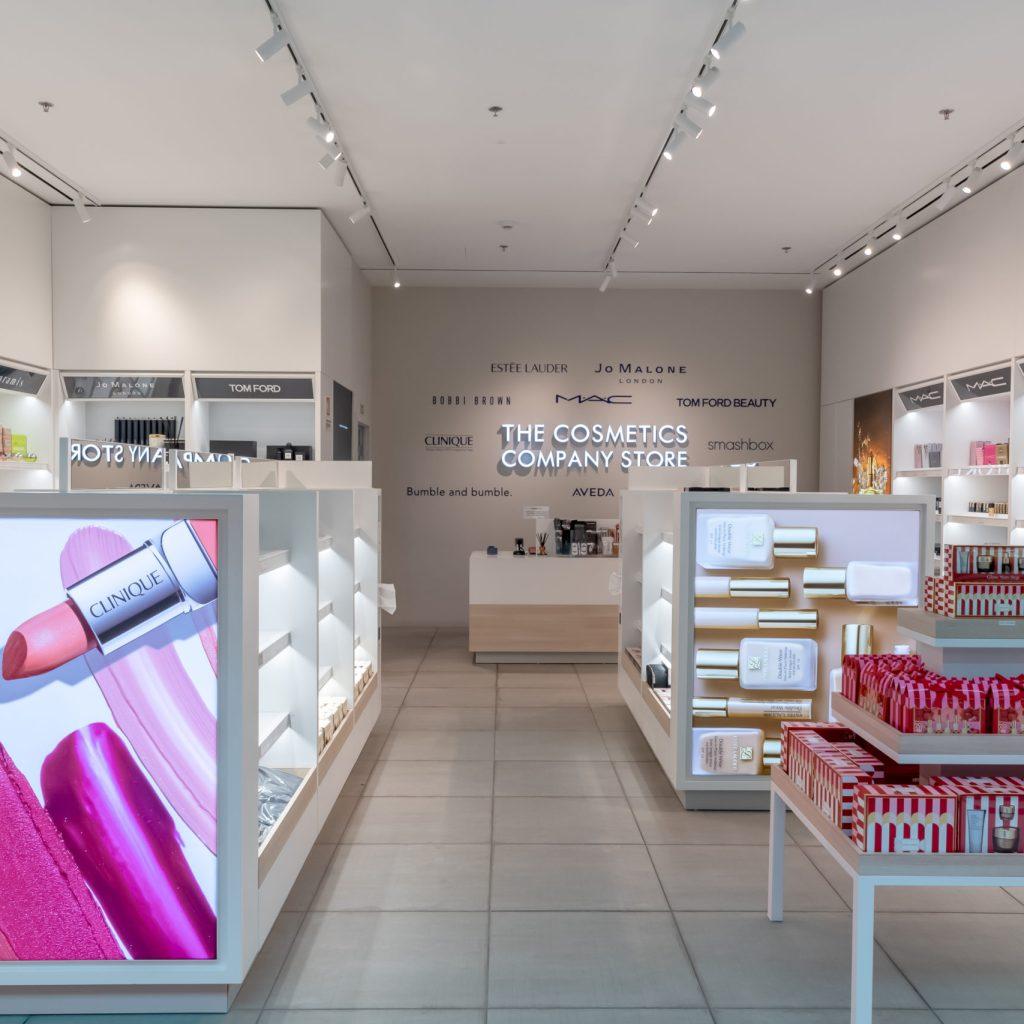
In the end, everything comes down to one thing:
👉 does the display work in-store
👉 does it attract attention
👉 does it support sales
Because the customer doesn’t see the process.
They see the result.
If you’re working on a POS project and want to verify the real production cost, it’s worth doing it before the execution phase begins.
At UC POS, we produce POS displays and retail installations, supporting brands and agencies in optimizing projects – so they stay within budget and perform effectively in real retail environments.