

One of the most common situations in retail looks like this:
the project is ready
visuals are approved
budget is initially accepted
and the search for a manufacturer begins.
And this is exactly where the most critical decision is made — the one that impacts:
👉 cost
👉 timing
👉 final quality
Why POS projects fail at the production stage
A project may look great visually, but that doesn’t mean it is ready for production.
The most common issues:
• the structure is not optimized
• materials are poorly selected
• logistics is not considered
• assembly in-store is too complex
The result:
👉 last-minute changes
👉 increasing costs
👉 delays
POS manufacturer – executor or partner?
This is a key difference that is often overlooked.
There are manufacturers who:
👉 simply quote and produce
And there are those who:
👉 analyze and optimize the project
At UC POS, producing POS displays, we often step into already completed projects — and immediately identify areas for improvement.
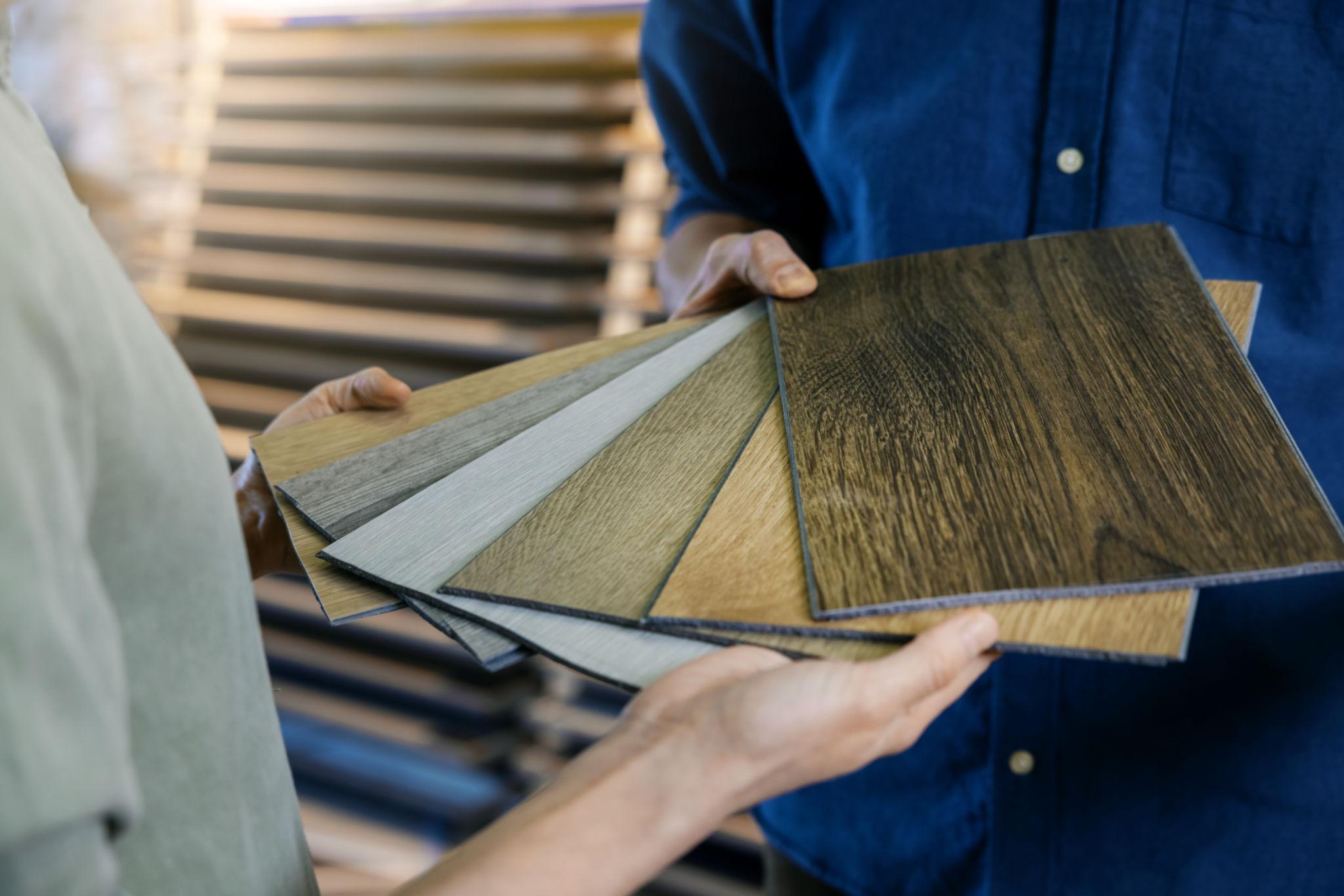
What to look for when choosing a POS manufacturer
1. Do they optimize the design or just price it
A good manufacturer:
• analyzes the structure
• suggests simplifications
• looks for cost efficiencies
They don’t just “price what they receive”.
2. Do they understand retail and rollout
Production is only part of the process.
But the real challenge is:
👉 implementation in stores
Does the manufacturer:
• think about logistics
• plan rollout
• understand store limitations
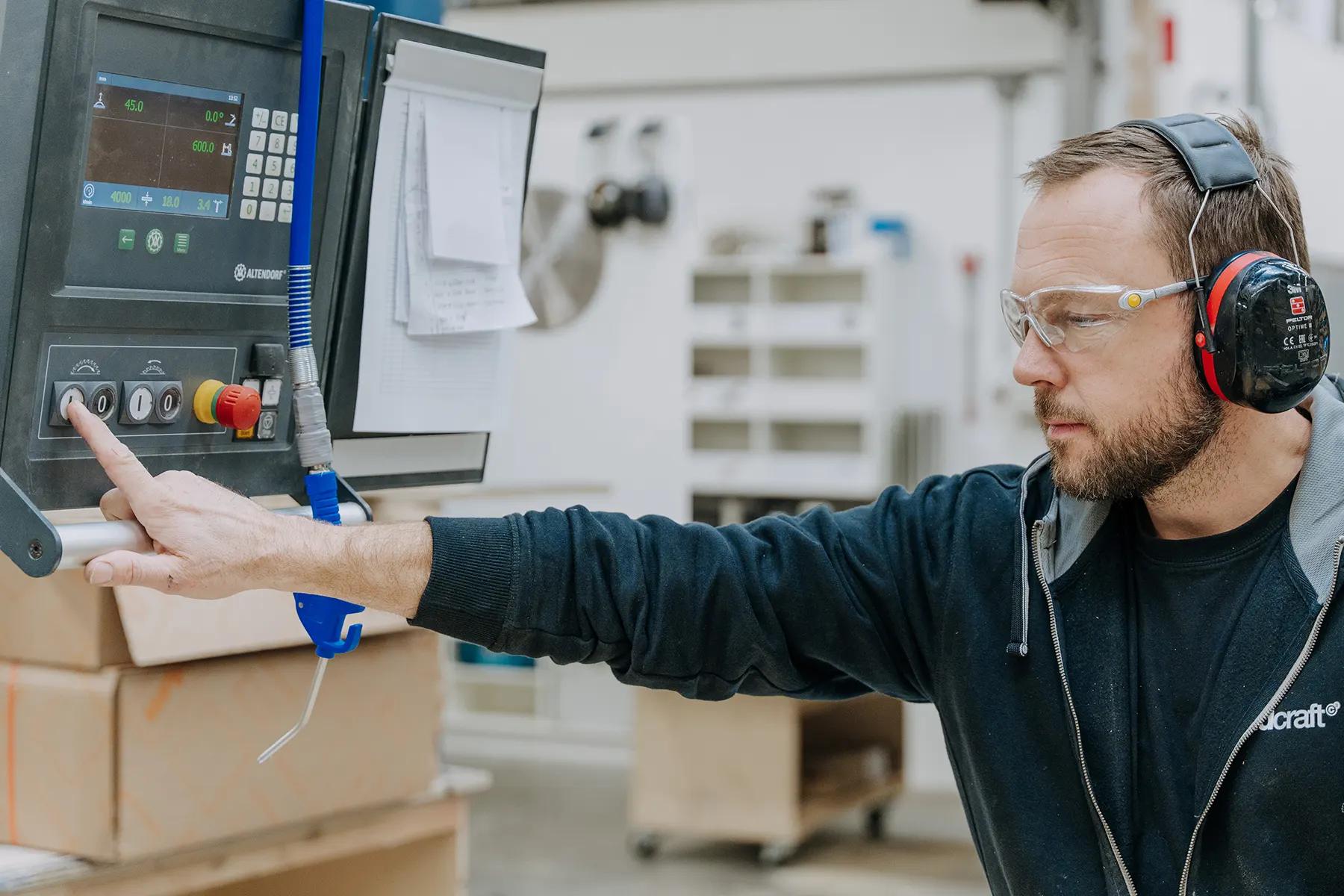
3. Do they consider transport and installation
This is one of the most underestimated elements.
And yet, this is where:
• costs increase
• problems appear
• timelines extend
4. Do they take responsibility for the final result
It’s not just about producing the display.
It’s about whether:
👉 the display actually works in-store
The most common mistake: choosing the cheapest offer
The lowest price often means:
• no optimization
• shortcuts in the wrong areas
• production issues
In the end:
👉 the project becomes more expensive anyway
Experience from a real project
We worked on a project where the client already had a concept and several offers.
At first glance, everything looked fine.
After analysis:
• we simplified the structure
• reduced the number of components
• optimized transport
The result:
• lower total cost
• faster assembly
• fewer rollout issues
What working with a POS manufacturer really changes
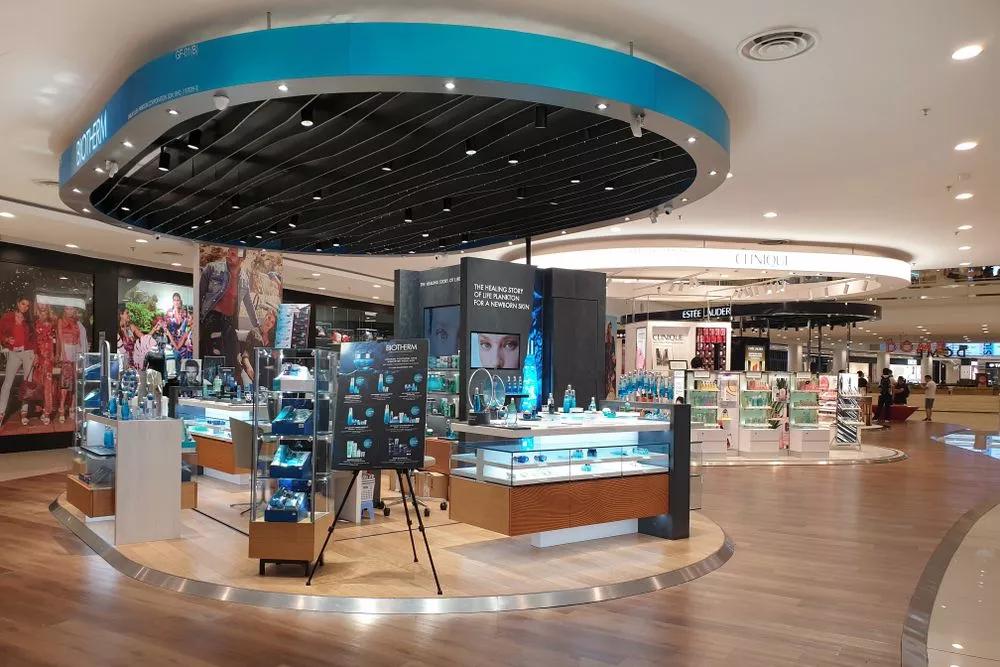
The biggest difference appears when the manufacturer is not just an executor.
At UC POS, producing POS displays, we combine:
• design
• production
• rollout
Thanks to this:
• the project works in real retail conditions
• the process is predictable
• costs are controlled
Summary
You already have a POS project – but that’s only half the journey.
The manufacturer you choose will determine:
• how much you actually pay
• how long the process takes
• whether the display works in-store
If you already have a POS project and want to check whether it is properly prepared for production, it’s worth reviewing it before moving forward.
At UC POS, producing POS displays and retail installations, we support brands and agencies from project verification to full rollout — ensuring everything works not only on visuals, but in real retail.