


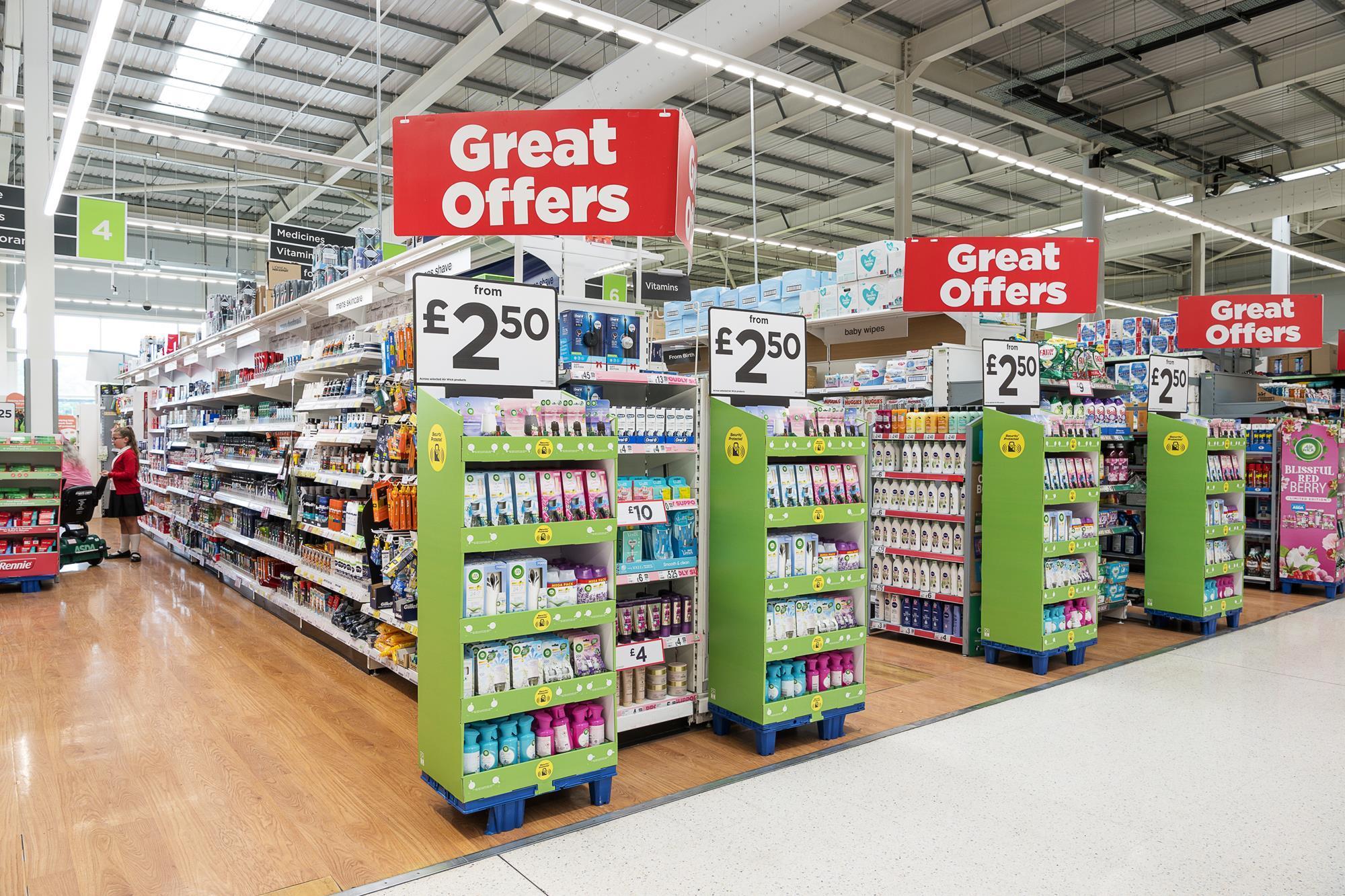
A display unit can capture customers’ attention—or effectively annoy them. All it takes is narrowing an aisle, jutting a corner out into a traffic lane, or forcing shoppers to maneuver around it with a shopping cart. In a well-designed retail environment, sales are never achieved at the expense of customer convenience. The ergonomics of a display are just as important as its appearance, branding, or capacity.
That is why POS design begins with an analysis of foot traffic, not with visualization.
A good display does not interfere with shopping.
The customer should notice the display unit. However, they should not be forced to navigate around it. When designing display units, we analyze:
- width of passageways,
- customer flow direction,
- shopping cart traffic,
- customer stopping points,
- areas with the highest traffic volume.
The display is meant to support sales, not block communication.
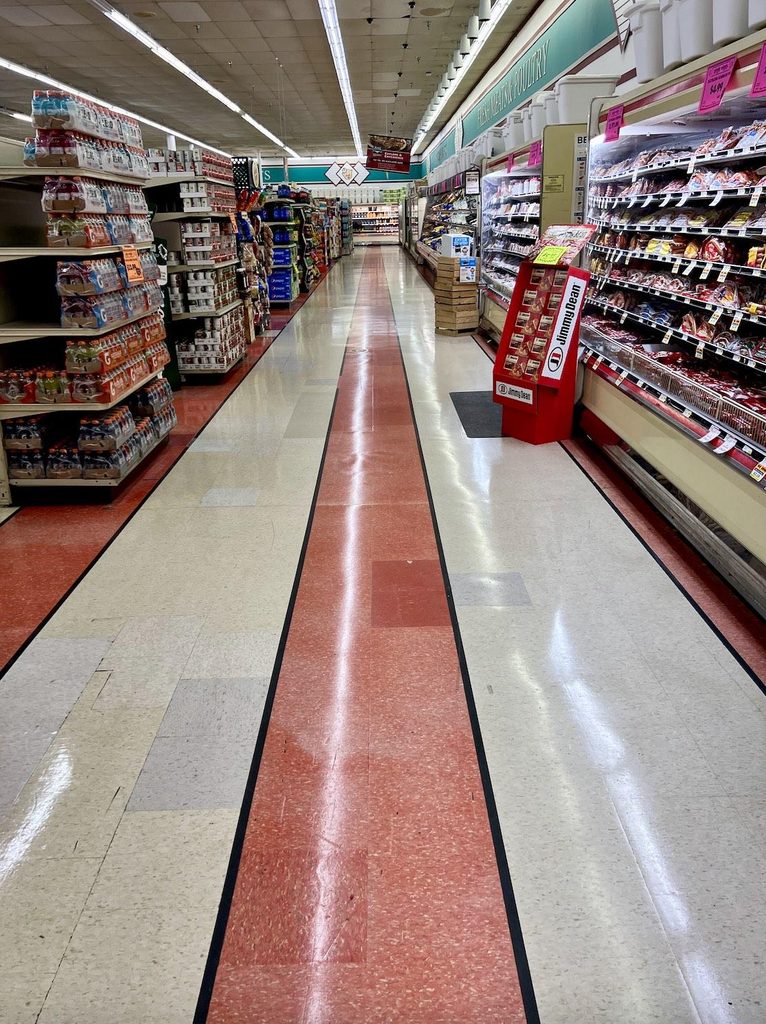
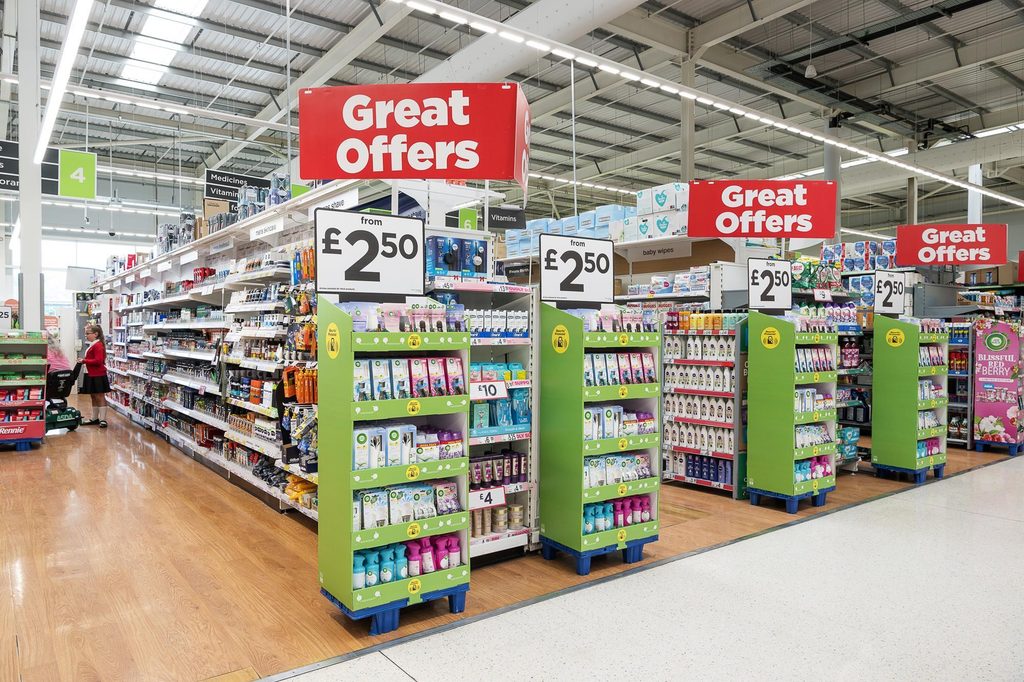
Most errors occur at alley intersections.
These are the locations with the greatest sales potential.
At the same time, they are the most demanding.
A poorly positioned display can:
- restrict visibility,
- hinder the turning of carts,
- create bottlenecks,
- cause damage to products.
That is why every centimeter counts in such locations.
The foundation determines safety.
The taller the display unit, the more important its stability becomes.
When designing the structure, we analyze:
- center of gravity,
- mass distribution of products,
- base width,
- resistance to accidental impacts,
- possibility of leveling.
This is particularly important in high-traffic stores.
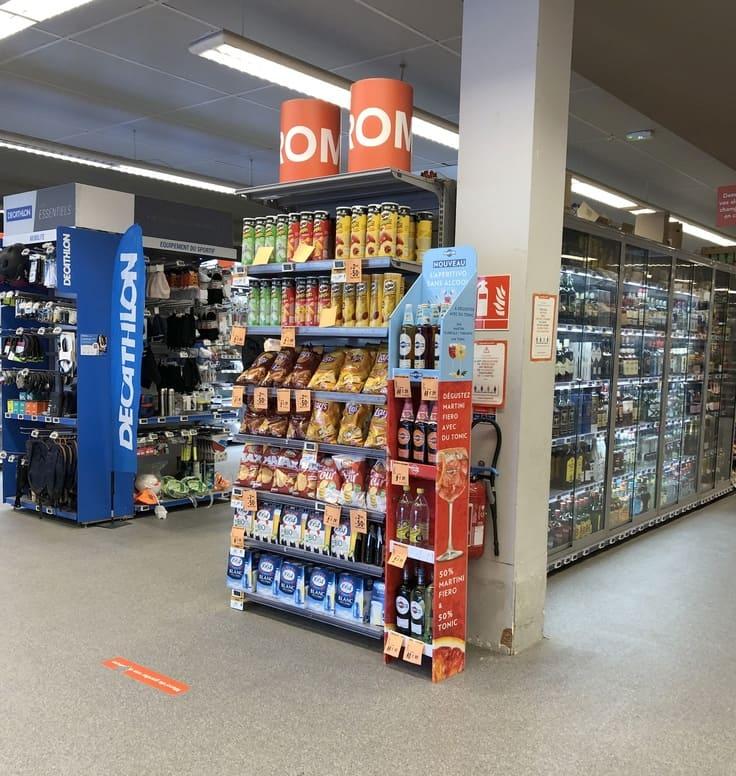
The display unit should complement the store’s architecture.
Each store has its own circulation layout.
We take into account, among other things:
- entrances,
- exits,
- promotional zones,
- checkout lanes,
- pillars,
- cold storage facilities,
- shelving units.
Thanks to this, the display blends naturally into the space instead of disrupting it.
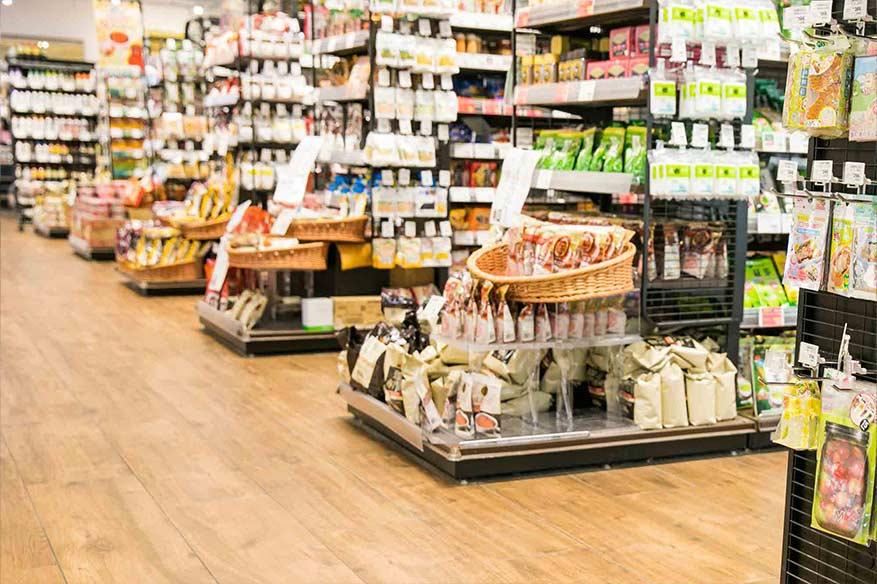
Safety also affects sales.
A customer is more likely to stop at a display if they can do so comfortably.
The display should not:
- force traffic to stop,
- block the passage of carts,
- restrict access to other products,
- pose a risk of tipping over.
Shopping comfort translates directly into the time spent at the display and the number of products placed in the shopping basket.
Summary
A good POS display is visible. A great display remains almost invisible as a communication element. It does not get in the way, obstruct the path, or force customers to alter their shopping route. Designing displays is about more than just aesthetics and branding; it also involves ergonomics, safety, and an understanding of how customers move through the store. At UC POS, we design and manufacture POS displays that combine aesthetics with functionality. Each project is developed with careful consideration of the store’s actual conditions, product display methods, and the comfort of both customers and staff. Thanks to this, the display not only looks good but, above all, effectively boosts sales.
Do you have a display stand design and want to check if it will be safe?
Send us a visualization or technical design. We will analyze the structure’s stability, ergonomics, and in-store placement, recommending solutions to enhance safety and the shopping experience. At UC POS, we design, prototype, and manufacture POS displays made of metal, wood, MDF, acrylic, plastics, and cardboard. As early as the conceptual stage, we analyze ergonomics, structural stability, and in-store placement to ensure the display is safe, durable, and effective at driving sales.