


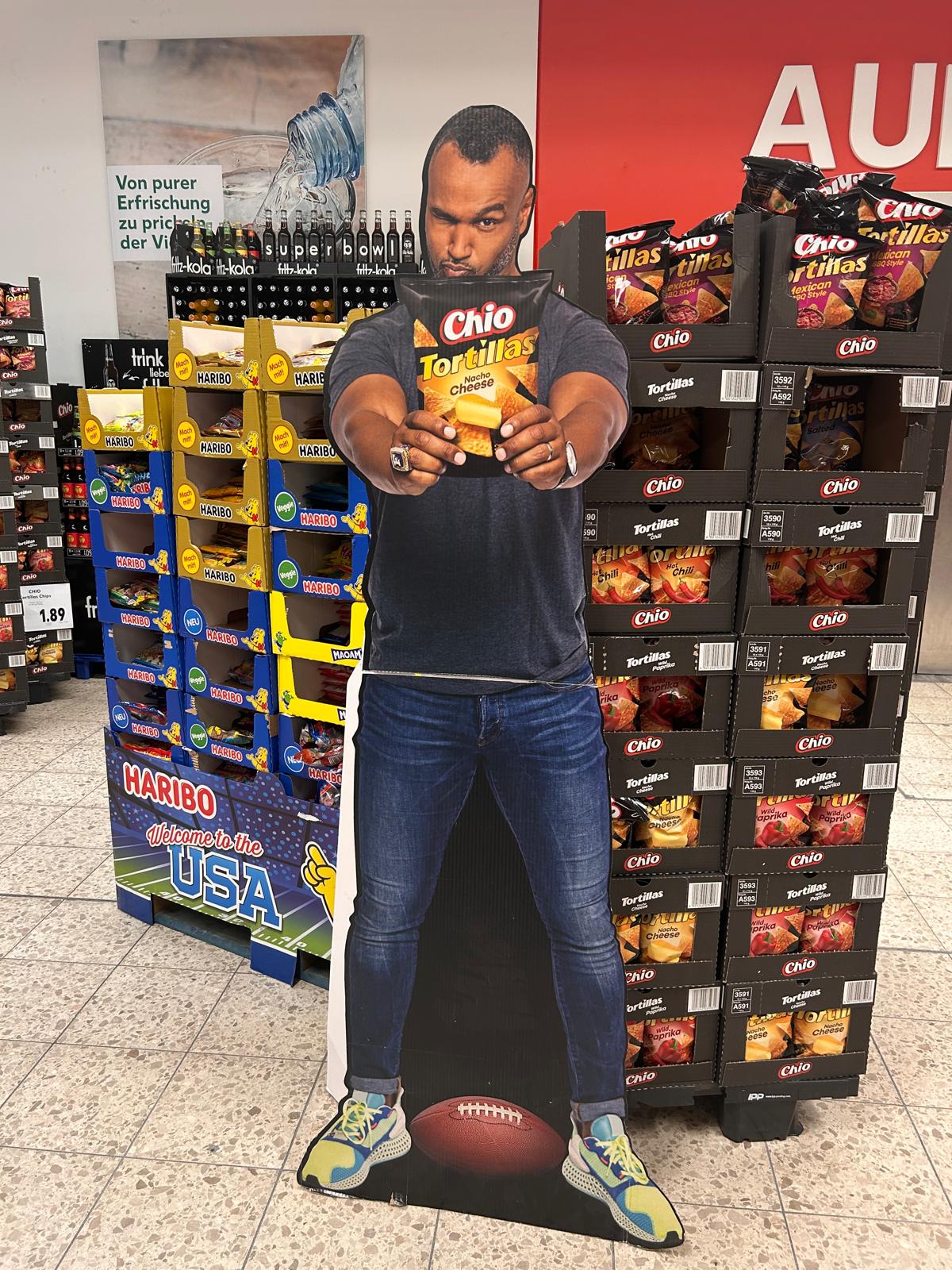
Brands often focus on design and production while placement is treated as the final step.
In reality, location is usually what decides the sales result.
The same display can perform very differently depending on where it stands because shoppers make decisions while moving, not while standing still.
As a POS manufacturer, we regularly see cases where the issue is not the display itself but its position in the store.
How shoppers really move in store
Customers do not analyse the whole category.
They scan the environment and stop only at selected points. A display must stand on the decision path.
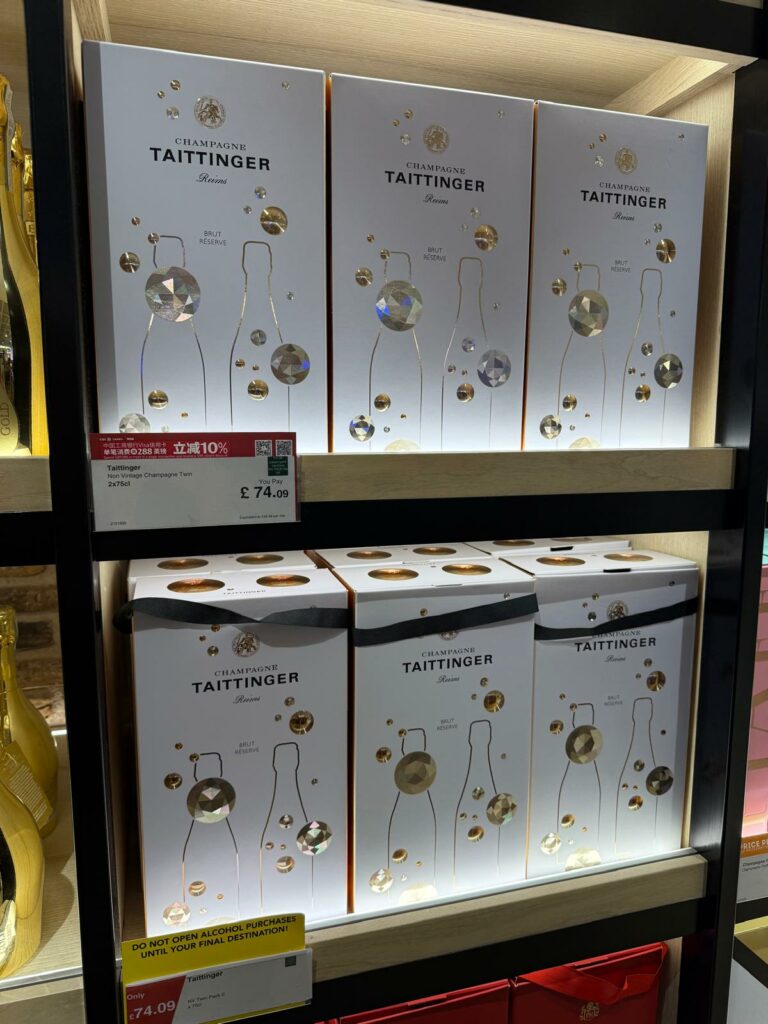
Entrance zone – awareness
Customers notice brands but do not buy yet.
Good location for:
• new products,
• seasonal items,
• brand campaigns.
Good for launches and branding, weak for price communication.
Aisle intersections – impulse moment
Customers slow down and make quick decisions.
Works best for FMCG and daily-use cosmetics.
Next to category – decision capture
The shopper already wants to buy.
The display changes which brand is chosen and how many items are taken.
End caps
High visibility only if communication is understood within seconds.
Checkout zone
Works for fast and familiar products.
This is habit-driven buying.
Experience insight
In one project a display was positioned outside the natural traffic path and sales were minimal.
After moving it to a crossing point, sales increased multiple times without changing design.
This is why POS design starts with placement, not form.
Summary
Effective POS display combines location, behaviour and message:
Location first.
Structure second.
Production third.
First, select the location.
Then design the structure.
Finally, produce it.
Not sure where your display should stand?
At UC POS we advise, design and manufacture POS solutions adapted to real shopper movement.